


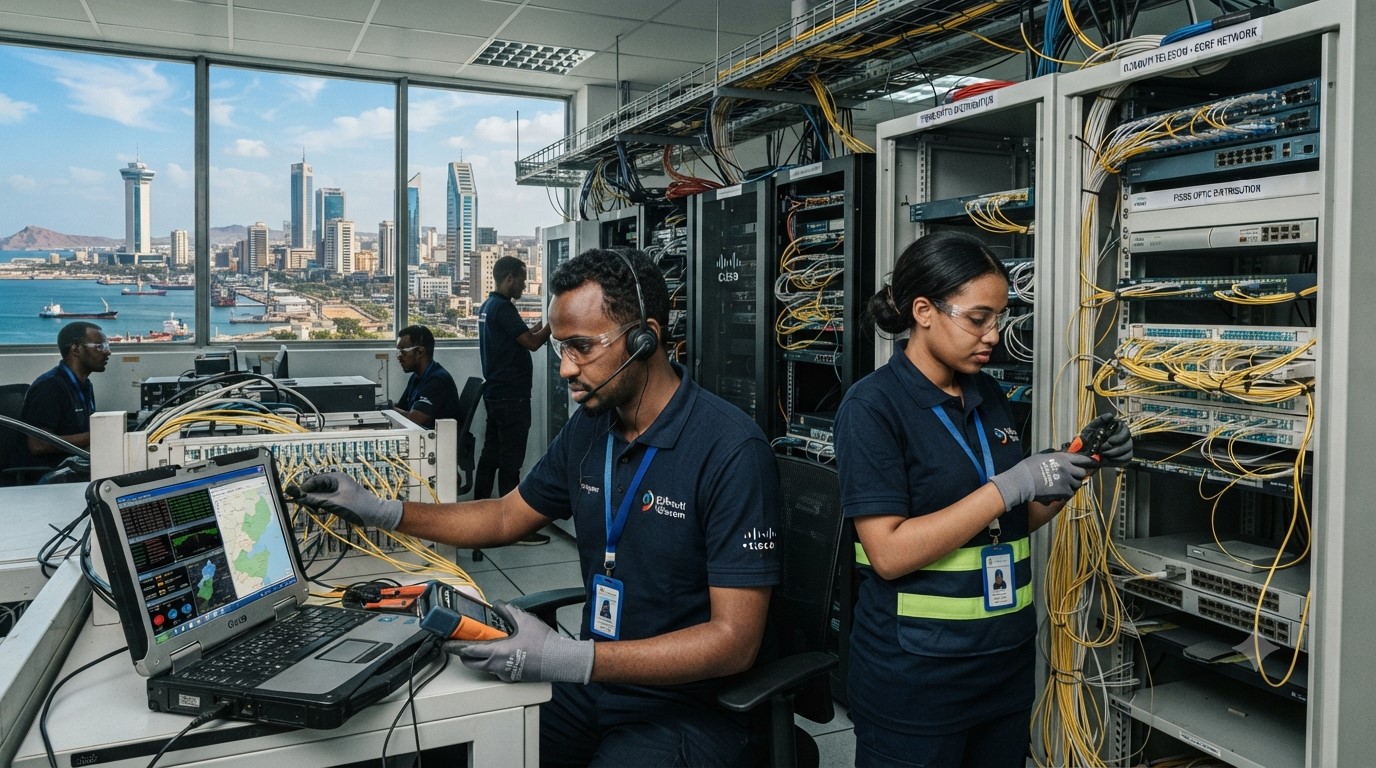
Djibouti is accelerating its digital infrastructure expansion, reporting nearly 70% internet penetration and around 95% mobile coverage as 350 kilometres of fibre-optic network are being deployed to improve connectivity.
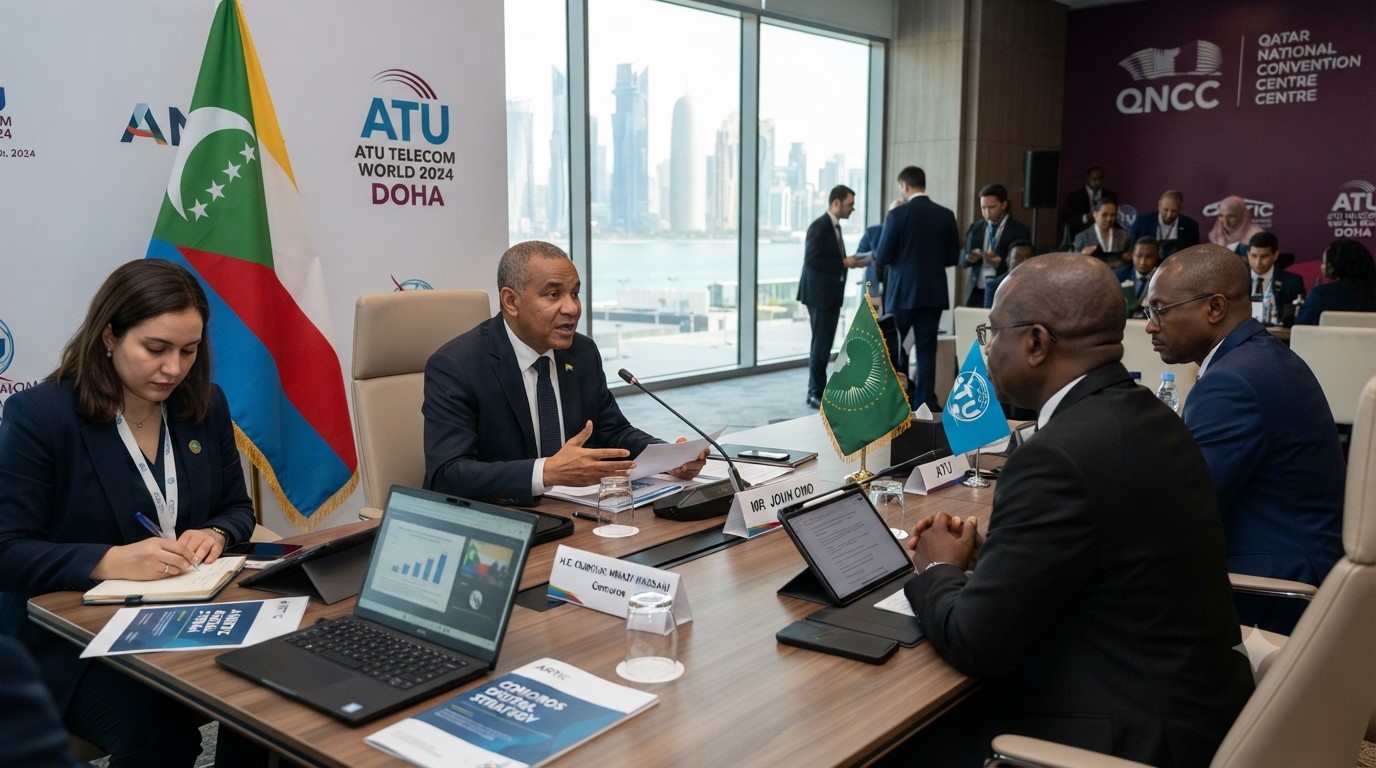
The figures were presented by Communications Minister Mohamed Abdoulkader Moussa during the International Telecommunication Union's Plenipotentiary Conference in Doha, Qatar, on November 12, 2026.
350 Kilometres of Fibre Under Deployment
The fibre-optic expansion is being undertaken through the regional Eastern Africa Regional Digital Integration Project (EARDIP).
The deployment is intended to improve connectivity in northern areas of Djibouti and strengthen cross-border digital infrastructure, helping support internet access, telecommunications services and regional data exchange.
Fibre-optic networks are particularly important for delivering faster, more reliable internet and supporting growing demand for digital services.
Internet and Mobile Coverage Progress
According to the minister, internet access now reaches nearly 70% of Djibouti's population, while mobile coverage stands at approximately 95%.
The figures reflect progress in expanding communications infrastructure, although authorities acknowledge that access gaps remain in more remote communities.
Improving connectivity outside major urban areas remains an important priority for the country's digital development strategy.
Cybersecurity and Digital Infrastructure Protection
Djibouti is also prioritizing the protection of critical digital infrastructure, including submarine cables, data centres and telecommunications networks.
The government highlighted cybersecurity, network resilience, emergency telecommunications and responsible artificial intelligence governance as important components of its digital transformation agenda.


Comments (0)
Sign in to join the conversation.