



















































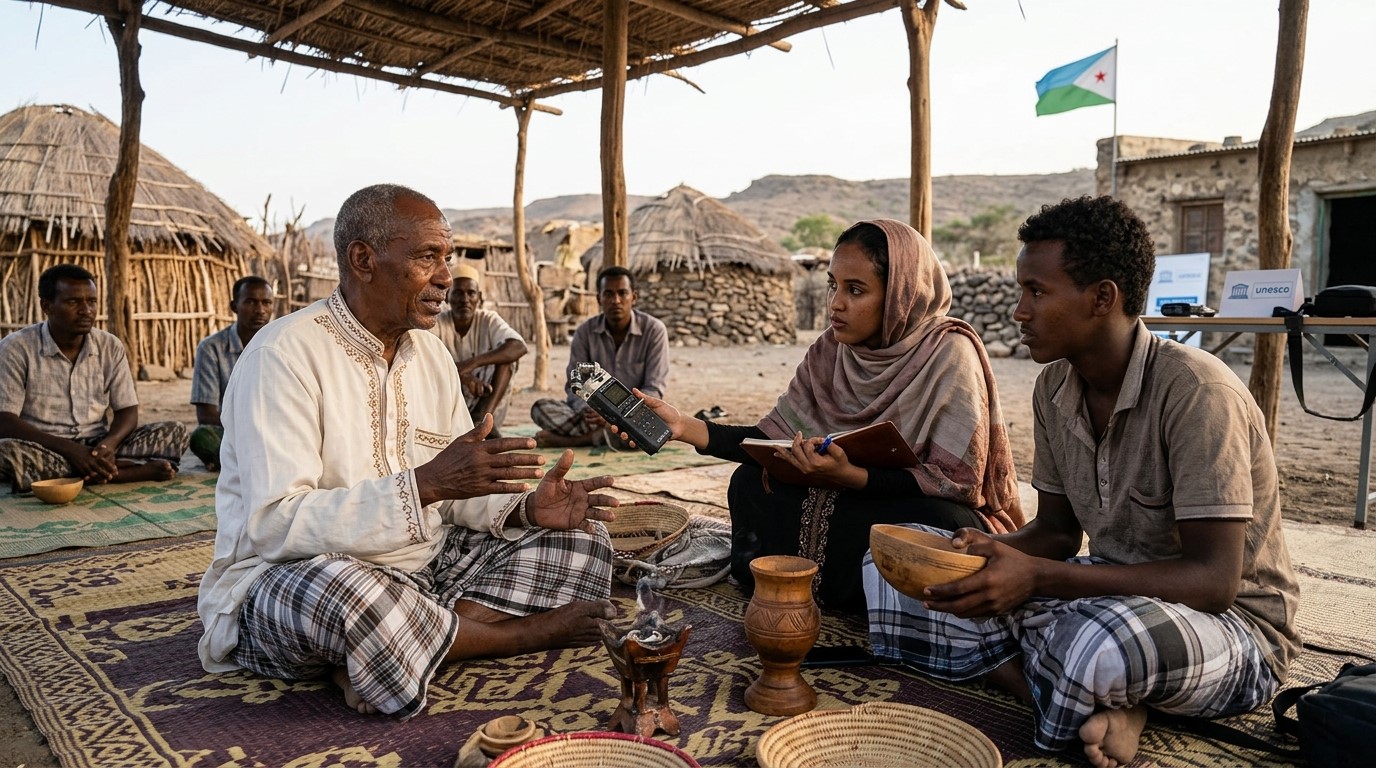
DJIBOUTI CITY, Djibouti — Djibouti is taking part in a new UNESCO initiative aimed at strengthening the protection and promotion of intangible cultural heritage in Eastern Africa.
UNESCO’s current programme includes a new project for Djibouti focused on strengthening national capacities for safeguarding intangible heritage. The initiative began on 21 August 2026, according to UNESCO’s heritage database.
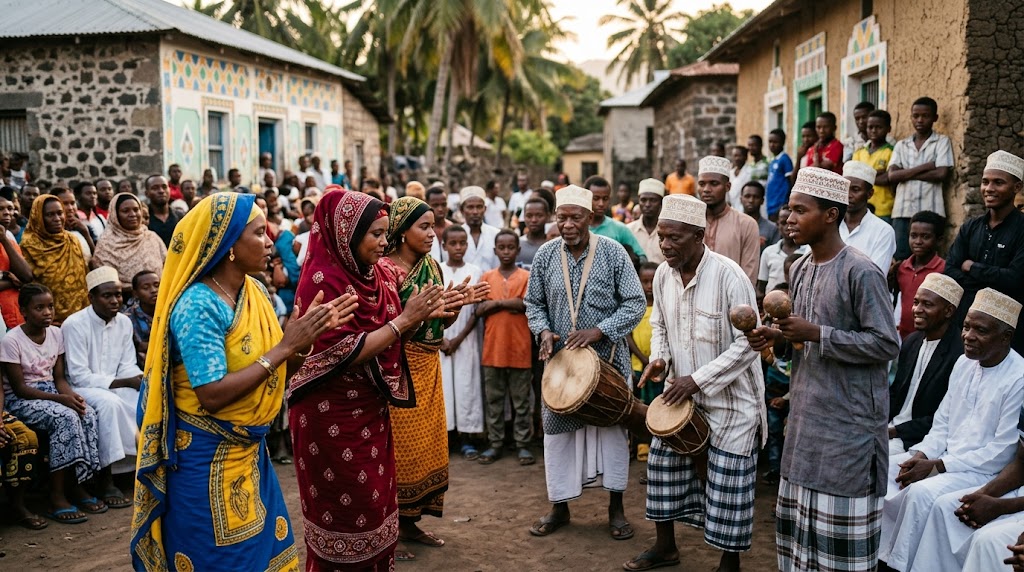
The development comes as Djibouti continues efforts to preserve traditions that form an important part of the country’s cultural identity. Djibouti already has several elements recognized under UNESCO’s Intangible Cultural Heritage framework, including Xeer Ciise, Xeedho and the zaffa traditional wedding ceremony.
UNESCO also lists the Madqa, the Afar system of oral customary law, as an ongoing 2026 nomination, highlighting the growing international attention surrounding Djibouti’s traditional knowledge and cultural practices.
The new initiative could help Djibouti strengthen documentation, preservation and transmission of cultural traditions to younger generations.
The move also creates opportunities to connect cultural heritage with education, tourism and community development while giving Djibouti’s traditional practices greater international visibility.
Comments (0)
Sign in to join the conversation.